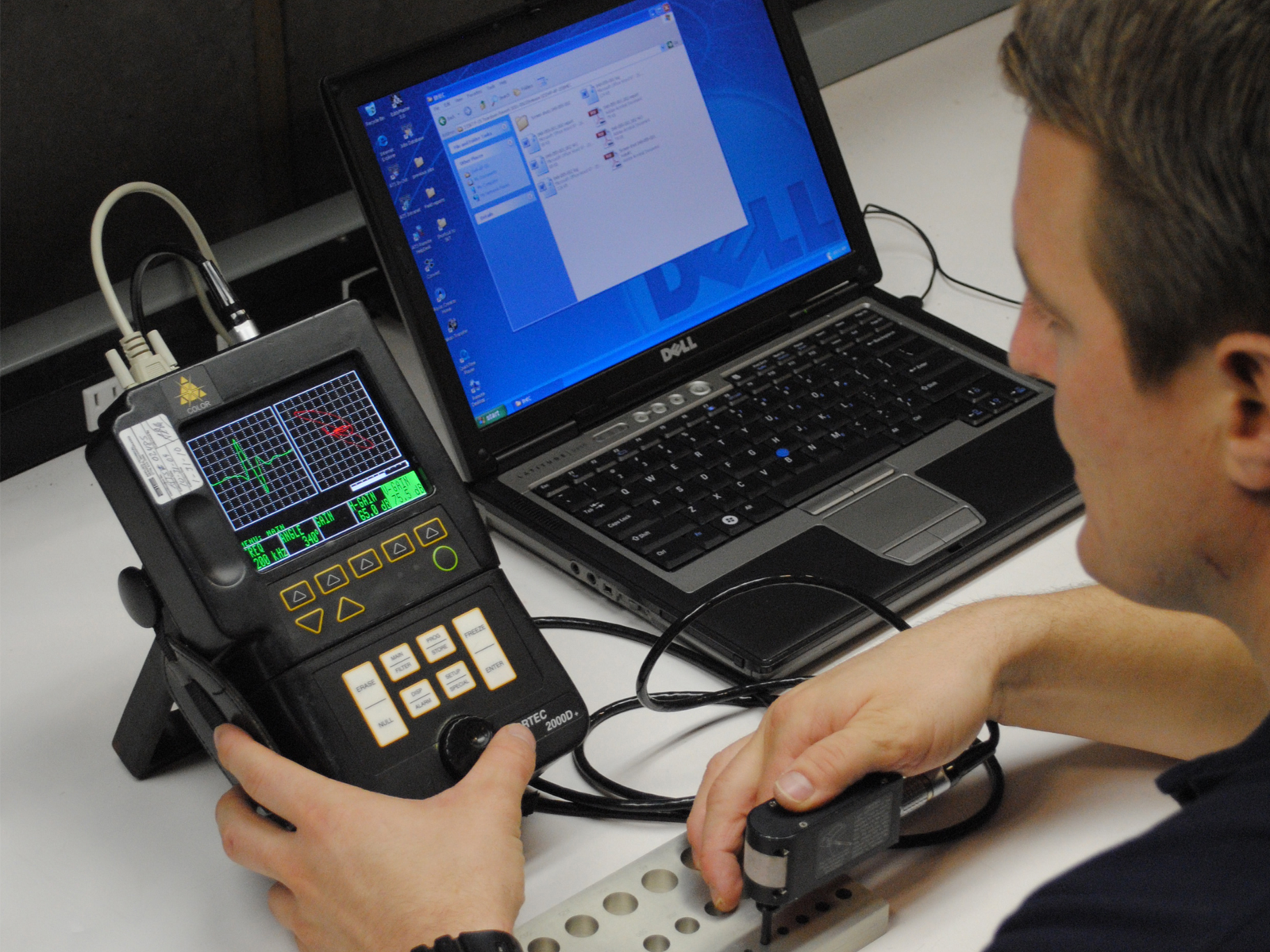
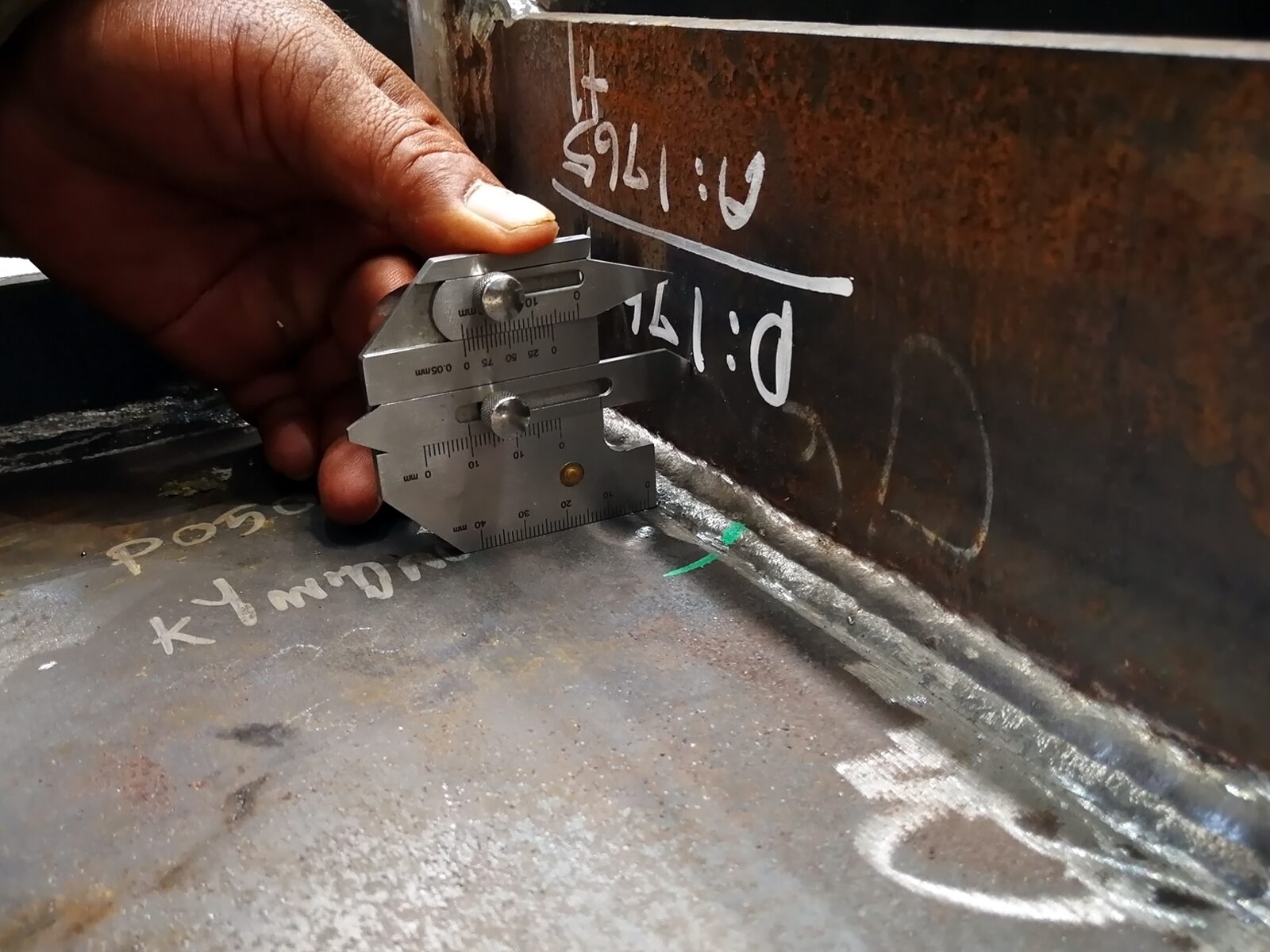
NDT training equips you to locate hidden flaws without damaging materials. Find the right course for you, learn the theory, gain the skills, get certified, and start or further your career in NDT.
Choosing the right NDT training course will enhance your expertise and offer the certification you need to get to work. The breadth of ATS’ course selection ensures you find the perfect match to further your career goals.
Liquid Penetrant
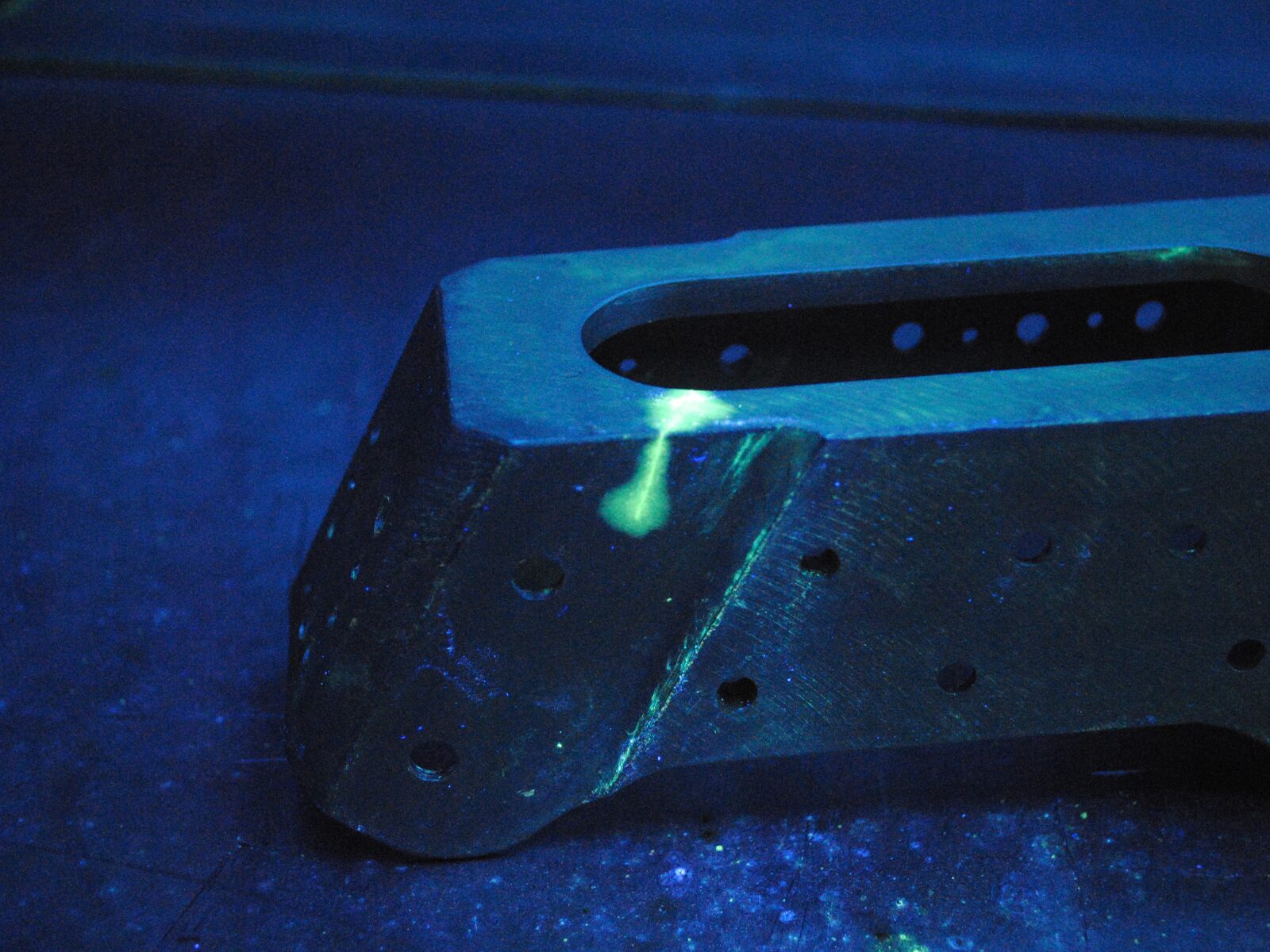
Course teaching students to detect surface defects using penetrant application and inspection techniques. Gain hands-on experience interpreting results to ensure material integrity and quality control.
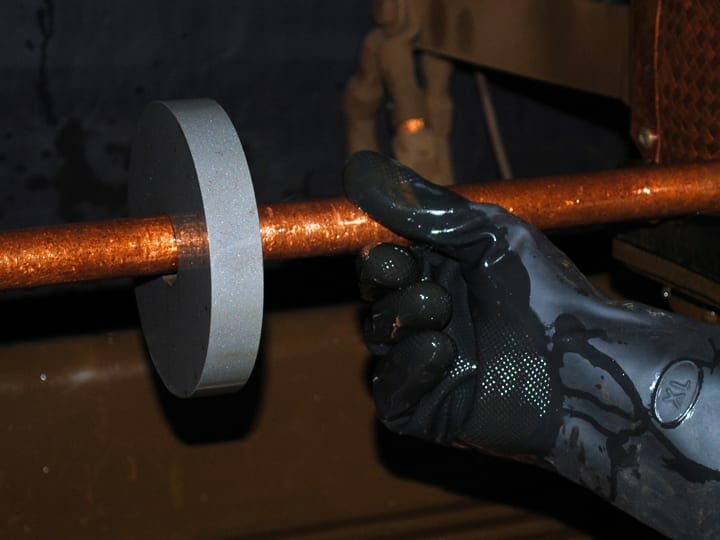
Course teaching students to detect surface and near-surface flaws in ferromagnetic materials by applying magnetic fields and fine particles. Gain skills in precise inspection and quality assurance techniques.
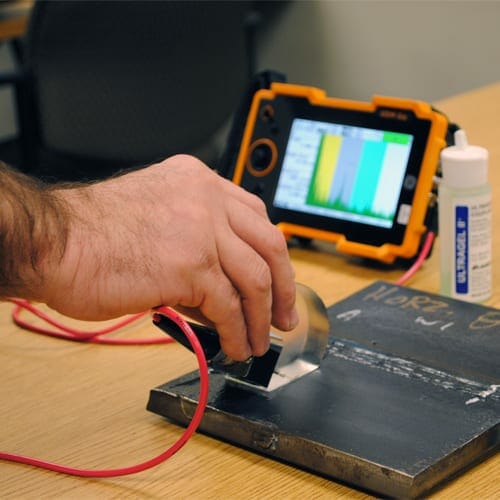
Course teaching students to identify internal defects in materials using high-frequency sound waves. Master techniques in flaw detection, thickness measurement, and material integrity evaluation.
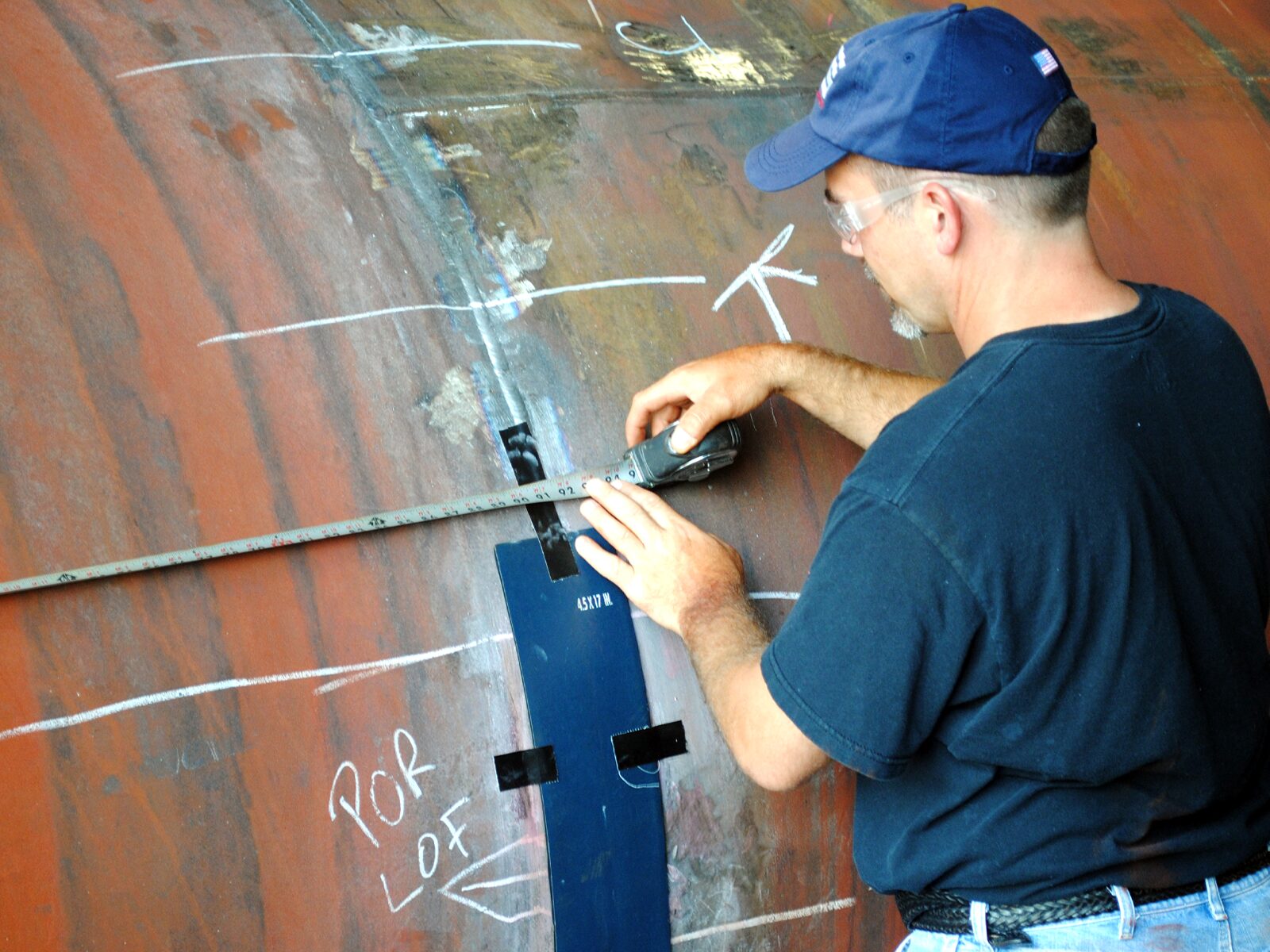
Course teaching students to detect internal flaws and inconsistencies in materials using X-rays or gamma rays. Master image interpretation and evaluation techniques to characterize material conditions.
Course teaching students to identify surface and subsurface flaws in conductive materials by using electromagnetic fields. Master theory and techniques for flaw detection and material characterization.
Course teaching students to visually locate surface indications. Master theory of visual inspection, processes that improve inspection reliability, and best practices for several types of visual aides.
Our NDT instructors hold SNT-TC-1A certifications across various NDT disciplines and bring collective decades of experience in training technicians at all skill levels. Their expertise ensures top-quality instruction tailored to each learner’s needs.
Certified and Reporting for Duty
Hear from our experts
The work of Michael DeHarde, P.E. and Brian Darr, P.E. was featured in Claims Magazine’s November Issue in the Subrogation Tips Section. The mechanical engineers undertook a project to investigate a large number of braided stainless steel water heater connector failures for one of the largest property carriers in the country. The evaluation and testing occurred at the U.S. Forensic engineering and testing laboratory where engineers utilized a customized durometer to test the hardness of the internal plastic tubing of the connectors and an articulating borescope to photograph any interior damage of the failed lines. Their task was to determine the cause of the leaks associated with the braided stainless steel brand water heater connectors commonly sold at the major big box hardware centers.
After analyzing multiple connectors of differing sizes, the findings were consistent. The testing revealed that the leaks were the result of the inner plastic tubes prematurely decomposing and flaking apart. This material defect led to a breach of the internal wall which caused the water release and the resultant damages at the various properties across the country.